ARB Wallets: How to Choose and Store Your Tokens

An ARB wallet should let you control access to the tokens, identify their network and sign the transactions you need. The best choice for frequent transfers can differ from the best arrangement for a balance you rarely move.

Compare recovery, signing and network support before focusing on appearance or extra features. A wallet that displays a dollar value but cannot clearly identify the token and network is a poor starting point for sending funds.

Start with the Way You Use ARB

Decide where and how often you expect to use the balance. That determines whether convenient access or a separate signing device should carry more weight in your choice.

For Regular Transfers and Governance

A software wallet is convenient when you regularly send tokens or connect to governance applications. MetaMask and Trust Wallet are examples to assess for this kind of use, with attention to the supported network and the particular version you install.

Check that the wallet shows the network fee before signing and lets you inspect the destination. For governance, also confirm that it can connect to the official interface without requiring you to reveal a recovery phrase.
For a Balance You Move Less Often

A hardware signer can keep transaction signing on a separate device and is often used in cold-storage arrangements. Ledger is one example of this arrangement; the compatible application provides the interface while the device authorizes the transaction.

This changes where keys are exposed, but it does not make every requested transaction safe. You still need to read the destination and action on the device and protect the recovery method.

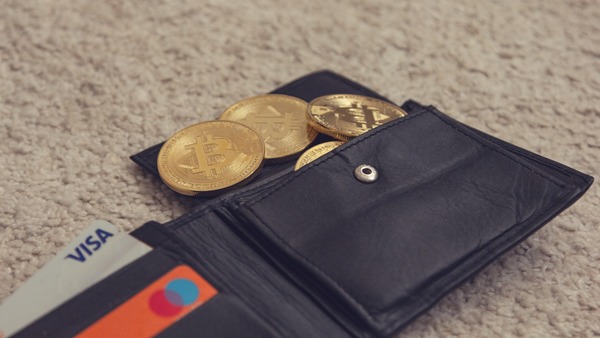
Leather wallet holding gold crypto coins

Check Token Support Before Comparing Features

“Supports Arbitrum” and “shows my ARB balance” are related checks, but one does not replace the other. Look for the exact asset and network in the wallet’s own documentation or supported-token list.

For ARB on Arbitrum One, inspect the token entry and compare its contract with the official deployment information. Your personal receiving address is different from the token contract; sending funds to a token’s contract is not how you fund your wallet.

If you already use MetaMask, follow the ARB token import and balance checks. You may only need to display a token that is already held by the selected account.

Keep the gas arrangement visible as well. Ordinary ARB transfers on Arbitrum One use ETH for network fees, although a wallet may provide a specific sponsored or alternative payment feature.

When you exchange rather than store the balance, prepare a wallet for the asset you will actually receive. For example, converting ARB into Bitcoin requires a suitable Bitcoin destination, not simply the address currently displaying ARB.

Compare Access and Signing Arrangements

Custody and connection method answer different questions. A software wallet can be self-custodial, while an exchange account can display ARB without giving you direct control of the signing keys.

ArrangementWho controls transaction signing?What to examine
Self-custody software walletYour wallet keys authorize transactionsDevice security, recovery, network support and transaction previews
Hardware signer with a compatible interfaceThe device authorizes transactionsApplication compatibility and what the device displays before approval
Hosted exchange balanceThe platform processes withdrawalsSupported withdrawal networks, limits and access to the account

Use this comparison to identify the trade-off you are accepting. Do not describe a hot wallet as custodial merely because it is connected to the internet, or treat an exchange deposit address as a personal wallet you can restore with your own keys.

Laptop displaying a blockchain wallet login screen

Test Recovery and Receiving Details

Before moving a significant balance, make sure you understand how you would regain access after losing the device or application. Follow the wallet provider’s recovery instructions and protect the required material from anyone who could use it to control the funds.

A simple preparation check is useful:

  • Install the wallet through the provider’s official distribution channel.
  • Confirm the account and receiving network.
  • Understand the recovery method before funding the wallet.
  • Review a small initial transfer where the sending and receiving limits make that practical.
  • Keep private keys and recovery phrases out of support messages.

The transfer itself has a separate set of checks. The ARB sending guide explains payment preparation and the difference between a transaction succeeding on-chain and a platform crediting the recipient.