ARB Tokenomics: Supply, Distribution and Unlocks

ARB tokenomics describes who received the tokens, when restricted allocations become available and how the supply can change. Read those elements separately: an initial allocation, an unlock and a circulating-supply figure answer different questions.

The starting supply was 10 billion ARB. That figure is not a promise that the supply can never increase, and a vesting release does not prove that the released tokens have been sold.

Separate the Supply Measures

Supply labels can make two dashboards appear to disagree even when they are describing different quantities. Check the definition and update time before using a number to calculate a valuation.

Initial Supply and Additional Minting

The initial supply describes the tokens created at the start. ArbitrumDAO’s documented rules allow additional minting of up to 2% of supply per year through a constitutional proposal.

That limit is a permission boundary, not evidence that the maximum amount is automatically minted every year. An actual change requires the relevant governance action and execution.

Total Supply and Circulating Supply

Total supply and circulating supply should not be treated as interchangeable. A circulating figure depends on which holdings and restrictions the data provider includes in its calculation.

Use the updated figures below rather than copying a historical estimate into a current comparison. Keep the timestamps with the values when you compare them with another source.

ARB supply data is temporarily unavailable. Please check back later.

For the token’s purpose rather than its distribution, see what ARB is used for. The ability to participate in governance is a different question from the number of tokens available to trade.

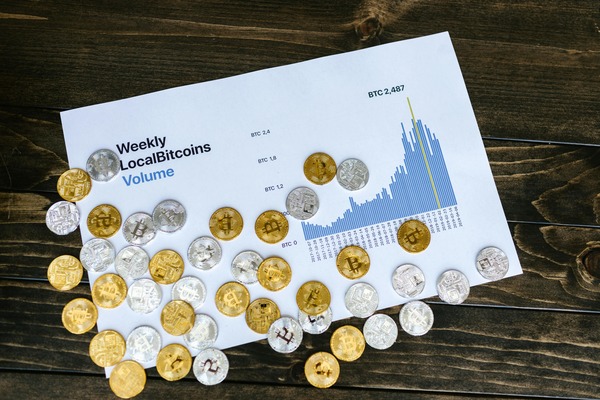
Crypto coins scattered over a printed supply chart

How the Initial Tokens Were Allocated

The following allocation reflects the distribution after AIPs 1.1 and 1.2. It is a historical division of the starting supply, not a live record of the balances still held by each group.

Allocation groupShare of the initial supply
ArbitrumDAO treasury35.28%
Team, contributors and advisors26.94%
Investors17.53%
Users through the initial airdrop11.62%
Arbitrum Foundation7.50%
Ecosystem DAOs through the initial distribution1.13%

An allocation tells you who was assigned tokens. It does not tell you that every token in that category was immediately transferable, nor that all transfers out of a category represent market sales.

The treasury category also requires care. Governance can authorize spending, but the existence of an allocation is not the same as an approved payment for a specific purpose.

Read Each Vesting Schedule on Its Own Terms

A single “unlocked percentage” can hide different release mechanisms. Identify the recipient group and its schedule before using an upcoming event to estimate how much new supply may become available.

Team and Investor Allocations

The original team and investor arrangements use a four-year period measured from 16 March 2023. The first release occurs after one year, followed by monthly releases for the remaining period.

When checking an event, distinguish its scheduled token amount from its estimated dollar value. The former follows the release arrangement; the latter changes with the market price.

Foundation Allocation

The Foundation arrangement is separate, with a four-year linear schedule beginning on 17 April 2023. It should not be read as though it were the same monthly event as the team and investor releases.

This is one reason different trackers can show different “next unlock” numbers. A tracker may include a different group, combine several events or apply a different definition of what has entered circulation.

Hand pointing at printed charts beside a laptop

Assess an Unlock Without Assuming a Sale

An unlock changes a restriction on tokens. Whether the recipients transfer, retain, delegate or sell them is a further question that the release event alone cannot answer.

Next unlockNov 16, 2026
Token amount92.65M ARB
Recipient groupTeam, contributors and advisors; Investors

Updated: Oct 21, 2026, 05:10 UTC · Schedule: monthly vesting release; supply: CoinGecko

Read the next-event details with four checks:

  1. Which allocation group is releasing tokens?
  2. Is the event a periodic release or part of a continuous schedule?
  3. What supply measure is used for the displayed percentage?
  4. Does the timestamp match the event you are comparing?

A governance decision is another possible source of token movement. Understanding ARB delegation and voting helps distinguish a treasury proposal from a predetermined vesting release.

If you decide to change an existing holding, compare the executable amount rather than an unlock’s headline dollar value. You can sell ARB for USDT and review the net receiving amount before paying an exchange order.

Use Current Figures for a Valuation

Market capitalization uses price and circulating supply, while a fully diluted valuation uses a broader assumed supply. A lower price per token does not establish a lower valuation when the token counts differ.

For an illustrative token with four billion circulating units priced at $0.25, circulating market capitalization would be $1 billion. If the valuation instead used eight billion units at that same price, the result would be $2 billion; these are example inputs, not an ARB market quote.